Cholesterol is a waxy substance your body needs to build cell membranes and hormones. Problems arise when lipoproteins carry too much cholesterol through the bloodstream, depositing plaque in artery walls over decades. Heart attacks and strokes result from this atherosclerosis — not from cholesterol in eggs directly clogging arteries.
Reading Your Panel
LDL ("bad") — target under 100 mg/dL for low-risk adults; lower if you have diabetes or prior events. HDL ("good") — above 40 mg/dL (men) or 50 (women) is protective. Triglycerides — under 150 mg/dL; high levels often reflect excess sugar and refined carbs. Total cholesterol alone is less useful than the full lipid profile.
Lifestyle Changes That Work
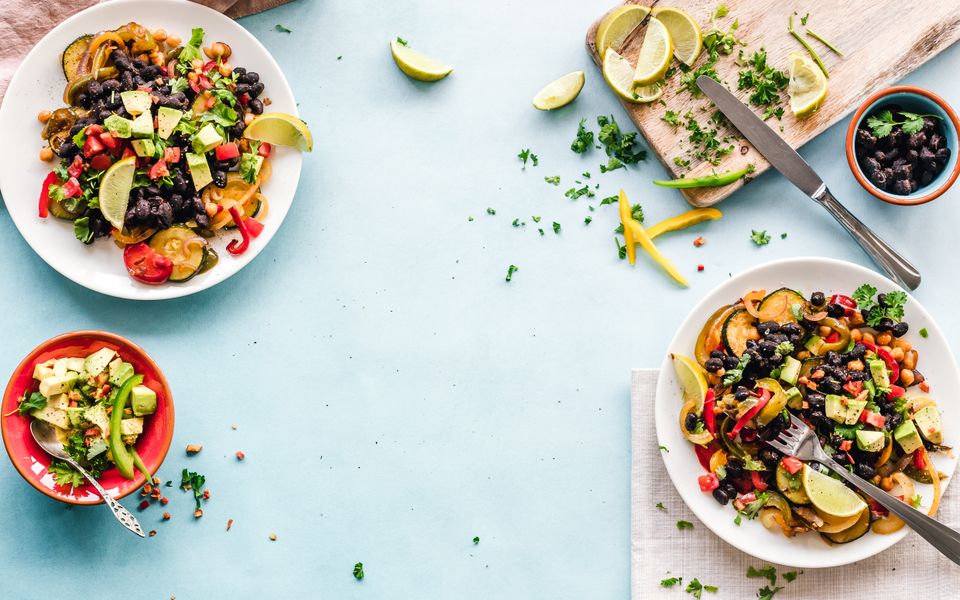
Soluble fiber (oats, beans, psyllium) binds cholesterol in the gut. Replacing saturated fats with unsaturated fats (olive oil, nuts, fish) lowers LDL 5–10%. Regular aerobic exercise raises HDL and lowers triglycerides. Weight loss of 5–10% body weight produces significant lipid improvements in overweight individuals.
Diet Myths
Dietary cholesterol in eggs and shrimp has minimal impact on blood cholesterol for most people — saturated and trans fats matter more. "Zero cholesterol" labels on processed foods often hide high sugar content that raises triglycerides. Coconut oil is high in saturated fat despite health-food marketing.
When Medication Helps
Statins reduce LDL 30–50% and prevent heart events in high-risk populations. They complement — not replace — lifestyle changes. Family history of early heart disease, LDL above 190, or diabetes may warrant medication even with good habits. Discuss your 10-year cardiovascular risk score with your doctor.