The gut microbiome — the community of bacteria, fungi, and viruses in your digestive tract — weighs about 1–2 kg and contains more cells than your entire body. Research over the past decade links microbiome diversity to immune function, metabolic health, and even mood via the gut-brain axis.
What a Healthy Microbiome Looks Like
Diversity is the key marker. Hundreds of species coexist in balance, producing short-chain fatty acids like butyrate that nourish colon cells and reduce inflammation. Low diversity — often from restrictive diets, antibiotics, or chronic stress — correlates with irritable bowel syndrome, obesity, and autoimmune conditions.
Feeding Your Gut Bacteria
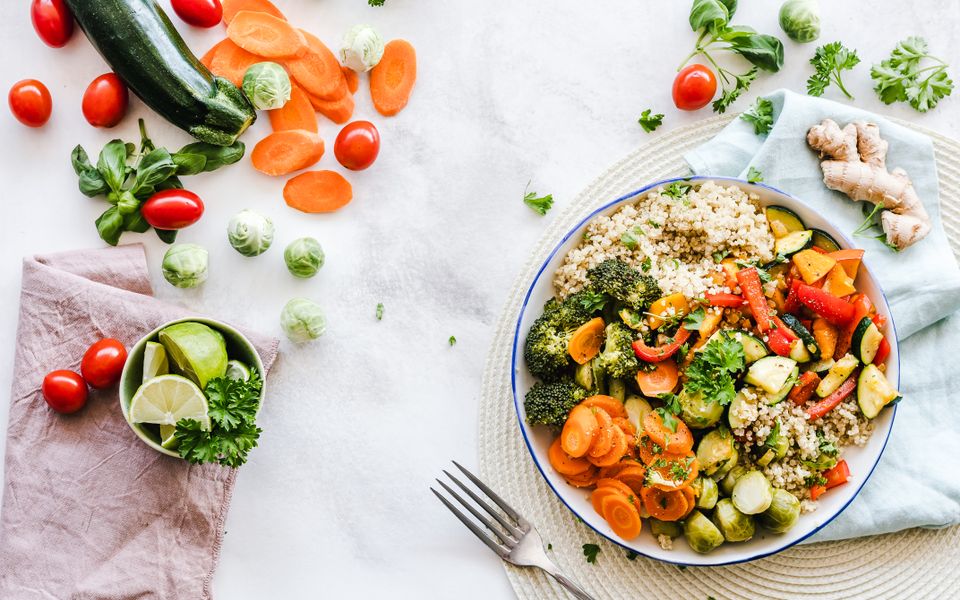
Prebiotic fiber from onions, garlic, oats, bananas, and legumes feeds beneficial bacteria. Fermented foods — yogurt, kefir, sauerkraut, kimchi — introduce live cultures, though not all survive digestion. Aim for 25–30 plant foods per week; variety matters more than any single superfood.
What Harms the Microbiome
Ultra-processed foods, excessive alcohol, chronic antibiotic use without medical need, and persistent sleep deprivation all reduce microbial diversity. Artificial sweeteners may alter gut composition in some individuals, though evidence remains mixed.
Probiotic Supplements
Supplements help specific conditions (antibiotic-associated diarrhea, certain IBS subtypes) but are not a universal fix. Strain-specific effects mean a general probiotic may do nothing for you. Food-first approaches with fiber and fermented products remain the most evidence-backed strategy for healthy adults.