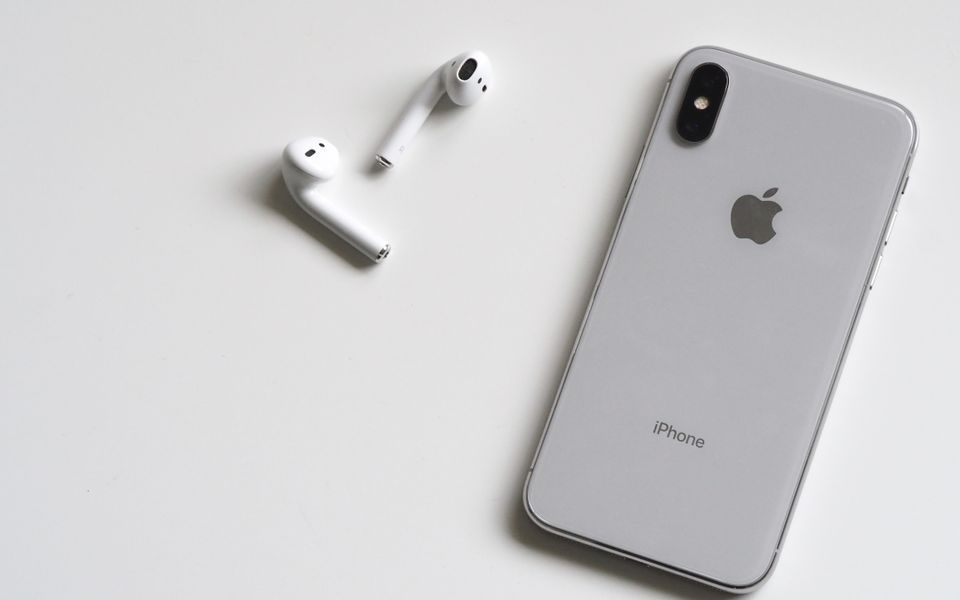
Scrolling in bed feels relaxing, but screens deliver a double hit to sleep: blue-wavelength light suppresses melatonin, and engaging content activates the alerting systems of the brain. Studies show even 30 minutes of pre-bed phone use delays sleep onset by 10–30 minutes and reduces REM proportion.
The Melatonin Mechanism
Blue light (460–480 nm) detected by ipRGC cells in the retina signals the suprachiasmatic nucleus to suppress melatonin production. Two hours of tablet use at full brightness can reduce melatonin by 22%. Night mode and blue-light filters help but do not eliminate the effect — brightness and cognitive engagement still matter.
Beyond Light: Content Effects
Stressful emails, social media comparison, and stimulating videos raise cortisol and heart rate regardless of color temperature. The variable reward of notifications keeps the brain in anticipatory mode — incompatible with the passive wind-down sleep requires.
Practical Evening Rules
Set a digital curfew 60–90 minutes before bed. Charge phones outside the bedroom. Replace scrolling with reading (paper books), stretching, or journaling. If you must use devices, enable night shift, reduce brightness to minimum, and avoid emotionally charged content.
Measuring Impact
Track sleep onset time for two weeks with screens vs. two weeks without. Most people notice 15–45 minute improvements in falling asleep. Wearables can quantify REM changes, but subjective morning alertness is often the clearest signal.